A menu is more than a list of dishes and drinks. It’s often the first point of interaction between a guest and your offering — shaping expectations, influencing choices, and setting the tone for the experience that follows.
The most effective menu designs balance creativity with clarity. They make ordering feel easy, reflect the personality of the venue, and support teams during busy service. From playful formats to refined minimalism, the examples below show how thoughtful menu design can elevate the guest experience.
Here are 8 standout menu designs from around the world that showcase how thoughtful design can elevate the guest experience.
Why menu design matters in hospitality
Menu design plays a quiet but powerful role in how guests behave. When done well, it helps to:
- Guide guests toward confident decisions
- Reduce confusion during busy periods
- Highlight signature or standout items
- Support team conversations at the table or bar
- Reinforce the overall brand and atmosphere
A well-designed menu makes service smoother — for both guests and teams.
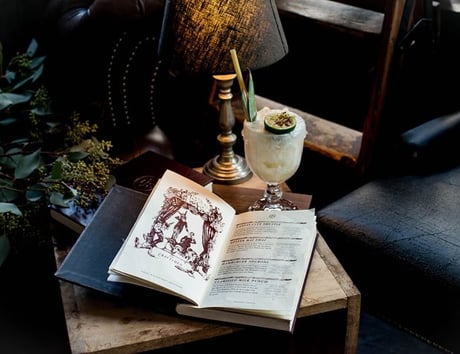
This leather-bound menu feels more like a storybook than a drinks list. With illustrations, poetic elements, and rich textures, it encourages guests to slow down and explore.
Why it works:
The physical experience of the menu reflects the bar’s sense of discovery and craftsmanship.
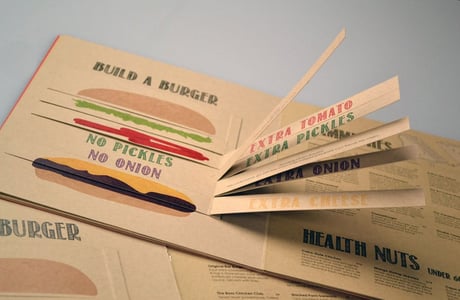
A playful pop-up book menu that turns ordering into part of the fun. Bold colours, humour, and unconventional category names bring the brand to life.
Why it works:
Lighthearted design lowers pressure and makes the experience feel welcoming and relaxed.
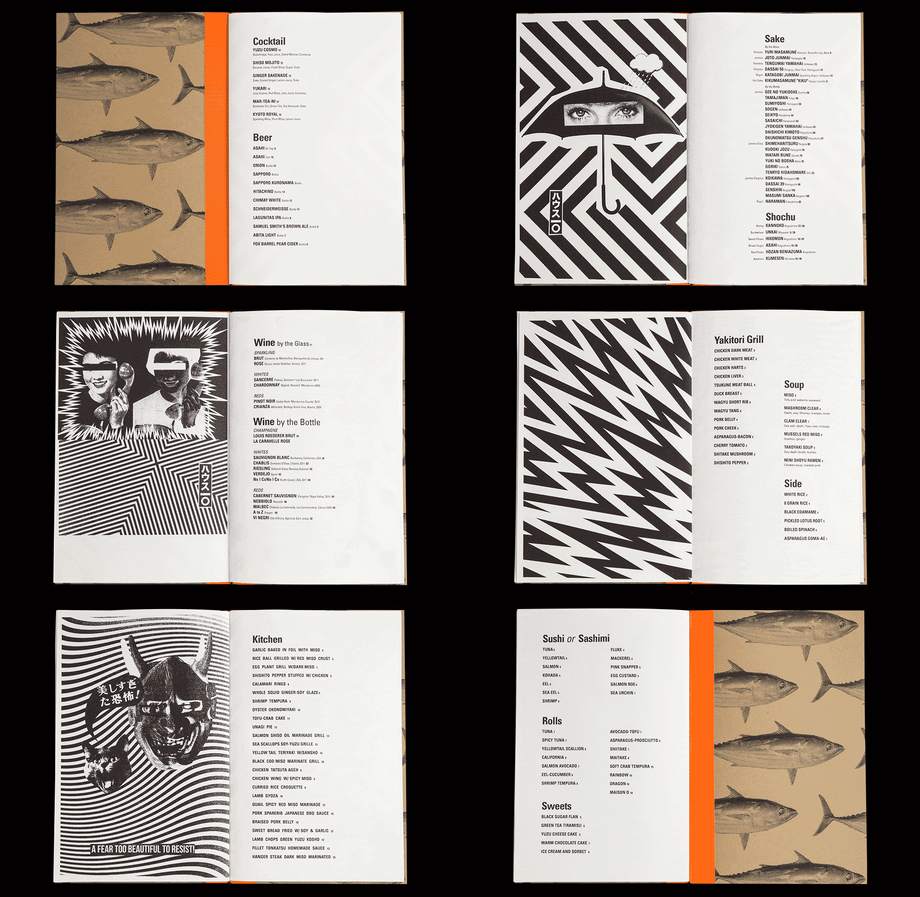
A sharp black-and-white menu with clean typography and a single accent colour. Modern, striking, and easy to read.
Why it works:
High contrast improves clarity while reinforcing a contemporary identity.
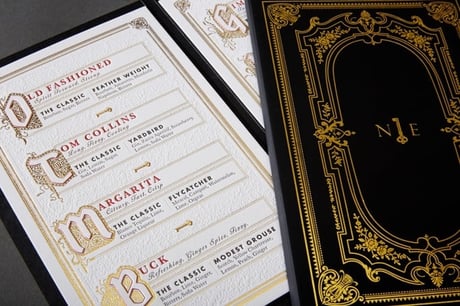
Elegant materials, gold detailing, and refined typography give this menu a premium feel that matches the speakeasy atmosphere.
Why it works:
Design sets expectations before the first drink is even ordered.
Ready to start creating your own menu, but not sure where to start?
Check out this restaurant menu template from our friends at Upserve!
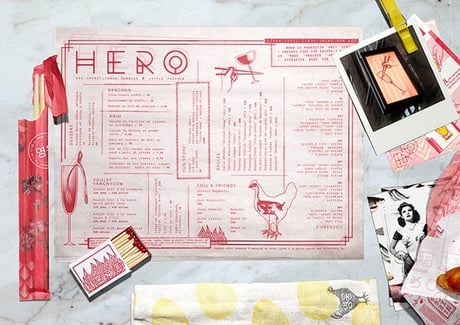
Bold colours and playful layouts turn this menu into an extension of the restaurant’s personality. A how-to-drink-soju card adds an extra layer of guidance.
Why it works:
Clear direction helps guests feel confident trying something new.
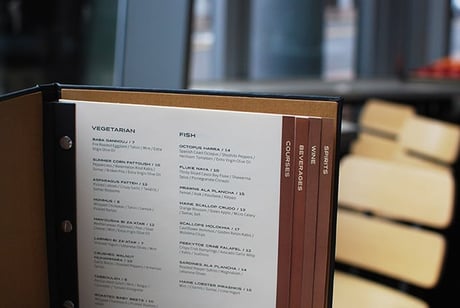
Minimalist in both layout and tone, EVO’s menu uses classic typography and simple presentation to keep focus on the food.
Why it works:
Simplicity supports faster decisions and calmer service.
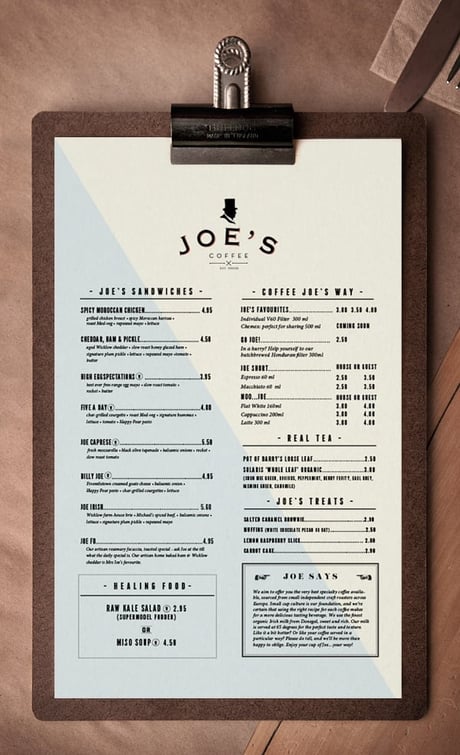
A clipboard-style menu that proves great design doesn’t need to be complex or expensive. Practical, consistent, and unmistakably on-brand.
Why it works:
Familiar formats make menus easy to update and easy to use.
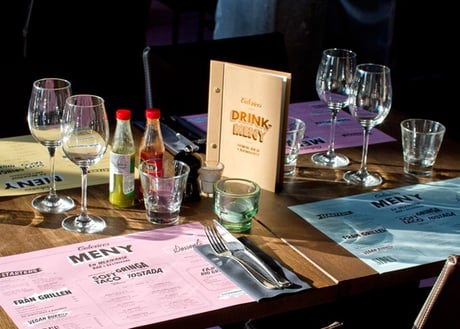
Bright colours, bold typography, and a three-panel layout create a high-energy feel that mirrors the dining experience.
Why it works:
Strong visual cues set the mood before guests even order.
What these menus have in common
Despite their differences, these menus share a few key traits:
- They’re easy to read and navigate
- They reflect the personality of the venue
- They support, rather than complicate, service
- They help guests feel confident in their choices
Great menu design doesn’t shout — it quietly supports better experiences.
Whether you’re running a neighbourhood café or a destination venue, your menu plays a central role in how guests experience your brand. Thoughtful design can reduce friction, support teams, and make ordering feel effortless.
The best menus don’t just look good — they work hard behind the scenes to make hospitality feel smooth, confident, and enjoyable.


