A great menu might bring guests through the door, but it's your team that keeps them coming back. Every interaction can have an impact on the guest experience.
As a restaurant manager, you know that even your strongest employees need support to keep growing. New menu items, changing guest expectations, evolving safety standards, and service periods demand all the skills that can't be learned during onboarding alone.
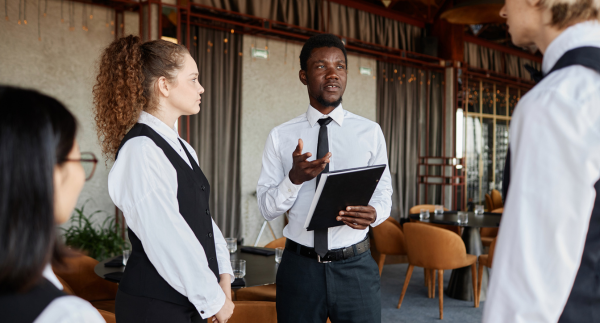
Continuous training is about building a team that's confident, consistent, and ready for whatever the shift brings. In fact, the latest Hospitality Training 360 Report found that hospitality organizations expect to increase their training investment, while time has become the industry's biggest challenge when it comes to training decisions. That means learning needs to be practical, efficient, and part of everyday operations.
Why continuous training matters more than ever
Hospitality moves fast. One month you're introducing a seasonal menu, and the next you're rolling out a new POS feature or updating food safety procedures. At the same time, guests expect every visit to feel seamless, whether it's their first time dining with you or their fiftieth.
That's why treating training as a one-time event no longer works. Your employees need regular opportunities to refresh their existing skills, learn new ones, and build confidence through practice.
Continuous learning also creates consistency. When everyone follows the same service standards and understands your restaurant's expectations, your guests can enjoy the same high-quality experience regardless of who's on shift.
| |
Recommended by Typsy: Training fundamentals
Whether you're working in a restaurant, cafe, bar, hotel, or any other part of the hospitality industry, training your staff is one of the most important things you can do in your business. In this online course, co-founder and CEO of Wilcuma, Nicolas Simon, will teach you key skills and techniques that will help you create and deliver engaging training content to your team.
|
|
What high-performing restaurant teams have in common
Every successful restaurant has its own style, but high-performing teams usually share the same habits.
First, they communicate well. Front-of-house and back-of-house teams work together instead of operating in separate worlds. Servers know when to update the kitchen, cooks understand the pace of service, and managers keep everyone aligned during busy periods.
They also stay calm under pressure. Hospitality is unpredictable, but well-trained employees are better equipped to solve problems without letting stress affect the guest experience.
Finally, great teams are committed to learning. They ask questions, share knowledge, and see feedback as an opportunity rather than criticism. That mindset creates a workplace where improvement becomes part of the culture instead of something that only happens during annual reviews.
.png?width=600&name=Typsy%20%20We%20teach%20hospitality%20to%20the%20world%20%20typsy.com%20blog%20banner%20_%20(1).png)
Learning with Typsy is practical, effective, and fun! And best of all, you can access Typsy's 1800+ lessons when it suits you. Learn your way - starting today.
Four ways continuous training improves restaurant performance
1. Better guest experiences
Guests notice consistency, even if they don't realize it.
When your employees receive ongoing coaching, they're more likely to greet guests confidently, recommend menu items accurately, and handle unexpected situations professionally. Small improvements in service quickly add up to memorable dining experiences that encourage repeat visits.
Training also helps teams adapt as guest expectations evolve. Whether it's accommodating dietary preferences or delivering personalised recommendations, knowledgeable employees create more meaningful interactions.
2. More confident employees
Confidence doesn't come from reading a handbook. It comes from practice.
Regular training gives your employee the chance to build product knowledge, strengthen communication skills, and rehearse challenging scenarios before they happen.
That confidence is especially important during service. Instead of second-guessing themselves, trained employees can make informed decisions, solve problems quickly, and support their teammates when the restaurant gets busy.
3. Stronger staff retention
Hospitality has long faced high employee turnover, making retention a priority for many managers.
One way to encourage your employees to stay is by investing in their growth. When people see opportunities to develop new skills or prepare for future roles, they're more likely to feel valued and engaged.
Organizations nowadays are placing greater emphasis on measuring how training influences operational performance, retention, and guest satisfaction rather than viewing learning as a simple compliance exercise.
4. Future-ready leaders
Every restaurant needs future supervisors, shift leaders, and managers.
Continuous training allows you to identify employees with leadership potential before a promotion becomes necessary. Coaching them in delegation, communication, conflict resolution and decision-making creates a stronger leadership pipeline while reducing the pressure of filling management positions at the last minute.
Developing leaders from within also helps preserve your restaurant's culture because those employees already understand your standards and values.
How Restaurant Managers can build continuous training into everyday work
One of the biggest misconceptions about training is that it requires hours in a classroom.
Some of the most effective learning happens in small moments throughout the workday.
A five-minute pre-shift briefing can introduce a new menu item or reinforce a service standard. Post-service debriefs allow teams to reflect on what went well and identify areas for improvement while the experience is still fresh.
Cross-training is another valuable approach. Giving servers exposure to bar operations or helping kitchen staff understand front-of-house workflows builds empathy between departments and creates a more flexible team.
Training doesn't have to happen in isolation, either. Many hospitality businesses also rely on trusted industry partners for additional support and expertise. Whether it's improving coffee quality, refining service standards, or staying connected to industry best practices, resources from businesses such as Bean Around Town can help teams continue developing their skills.
Technology can also support continuous learning. Digital learning platforms like Typsy make it easier for employees to complete short lessons at their own pace while allowing managers to track progress and maintain consistent training across locations.
Rather than replacing hands-on coaching, these tools work best alongside real-world practice.
Building a high-performing F&B team doesn't happen overnight, and it doesn't end after onboarding.
The restaurants that consistently deliver exceptional guest experiences are often the ones that make learning part of their daily routine. They invest in their people, encourage curiosity, and create opportunities for employees to grow with the business.
For restaurant managers, continuous training is more than a development strategy. It's a practical way to strengthen service, build future leaders, improve consistency and help employees feel confident every time they step onto the floor.
When your team keeps learning, your restaurant keeps improving. Continuous training helps build confident employees, stronger leaders and more consistent guest experiences – creating long-term success for both your team and your business.
 |
Jose Chavez is a culinary veteran with over 15 years of experience, having cooked alongside renowned chefs like Heston Blumenthal and Marco Pierre White. He’s captivated audiences with his culinary skills on MasterChef AU. Now, Jose leverages his passion for food and hospitality to create captivating content that both tantalizes taste buds and ignites kitchen creativity.
Alongside this, he also builds and shapes digital platforms through Ready To Rank, bringing the same thoughtful, crafted approach to how food stories are discovered and experienced online.
|


